
THE FIRST HYBRID WITH 963CV FOR JUST 499 CLIENTS
Ferrari's first ever production car to be equipped with the F1-derived hybrid
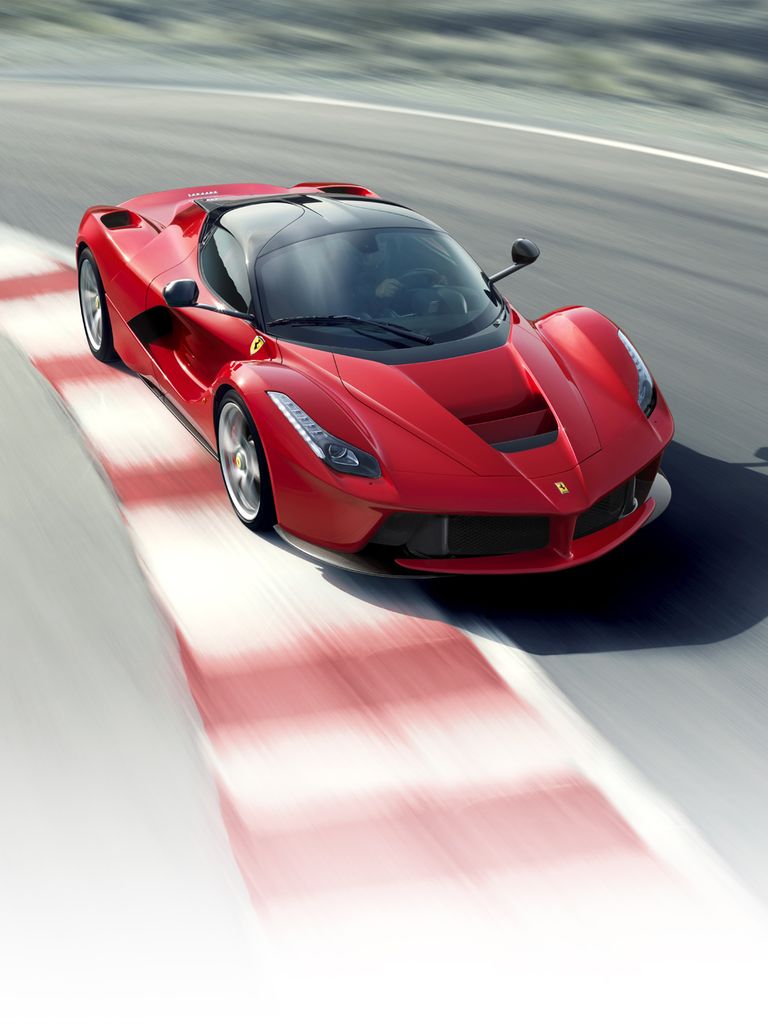
FERRARI'S MOST AMBITIOUS PROJECT

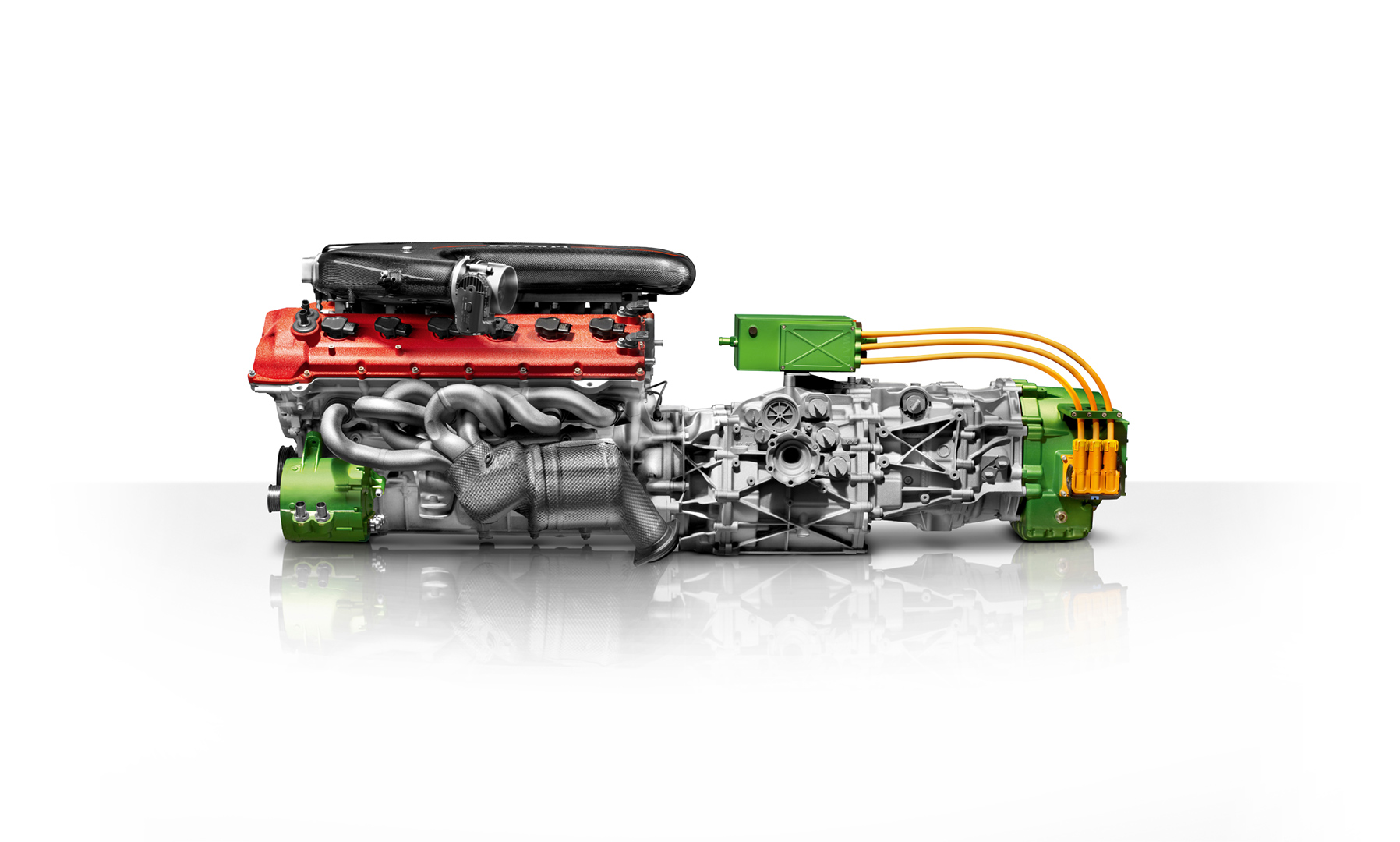
2 BEATING HEARTS

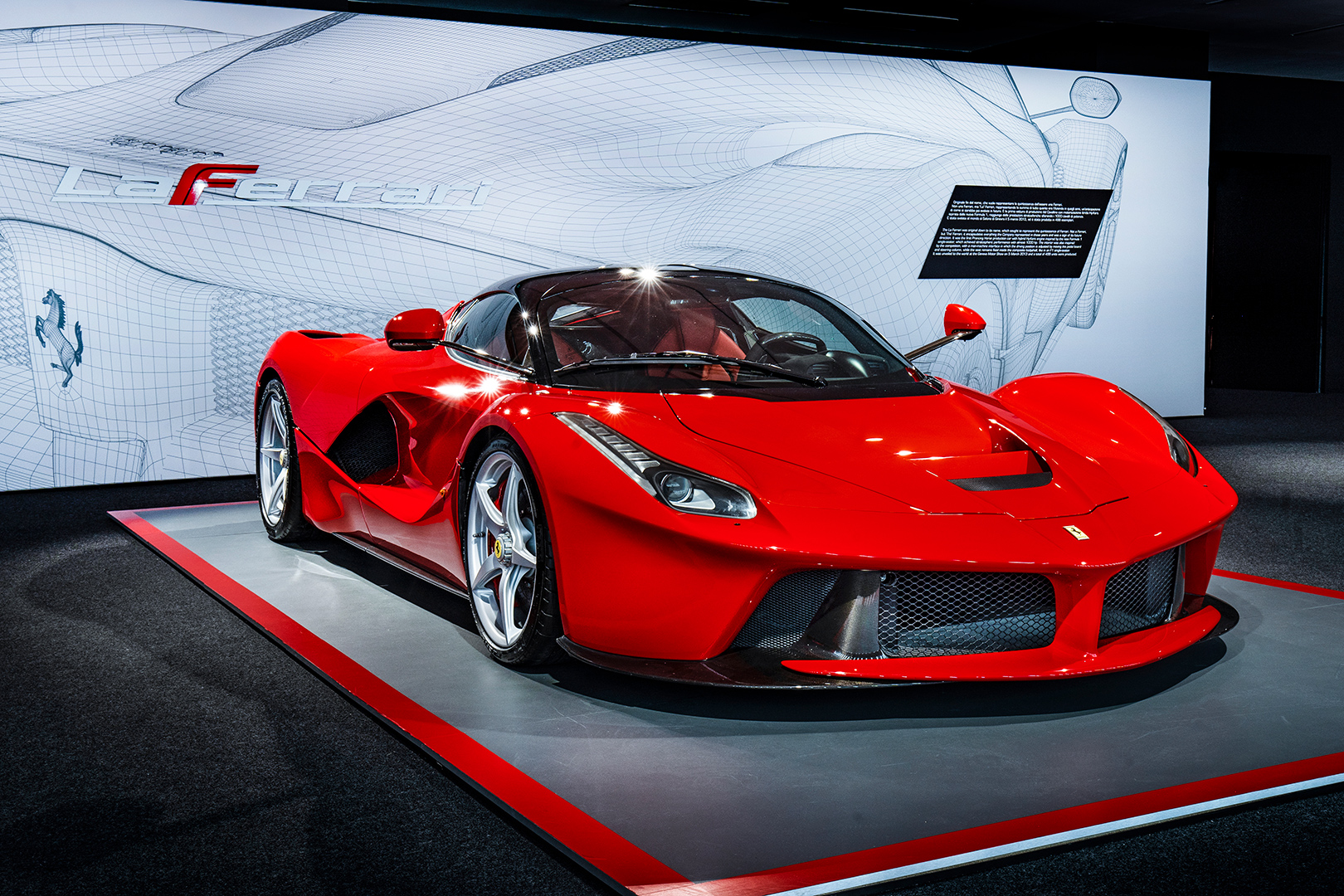

- V12ENGINE
- 6,9 sec0-200 KM/H
- 350 km/hMAX SPEED
- 963 CVMAXIMUM POWER
The 6262cc V12 produces 800 CV and the electric motor a further 120 kw (163 CV) for a total of over 960 CV.
THE MOST POWERFUL NATURALLY-ASPIRATED ENGINE EVER USED ON A FERRARI ROAD CAR
As well as producing 800 CV, the V12 spins to 9250 rpm which guarantees fantastic performance and driving pleasure as well as that unmistakable Ferrari V12 sound. These completely unprecedented results can be attributed to work carried out in three areas: volumetric, mechanical and combustion efficiency.
AERODYNAMICS PLAY AN ESSENTIAL ROLE IN THE LAFERRARI'S EXCEPTIONAL PERFORMANCE
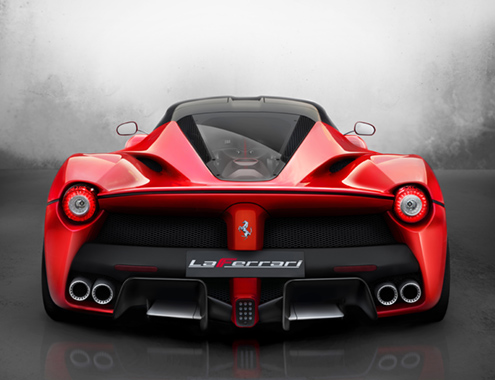


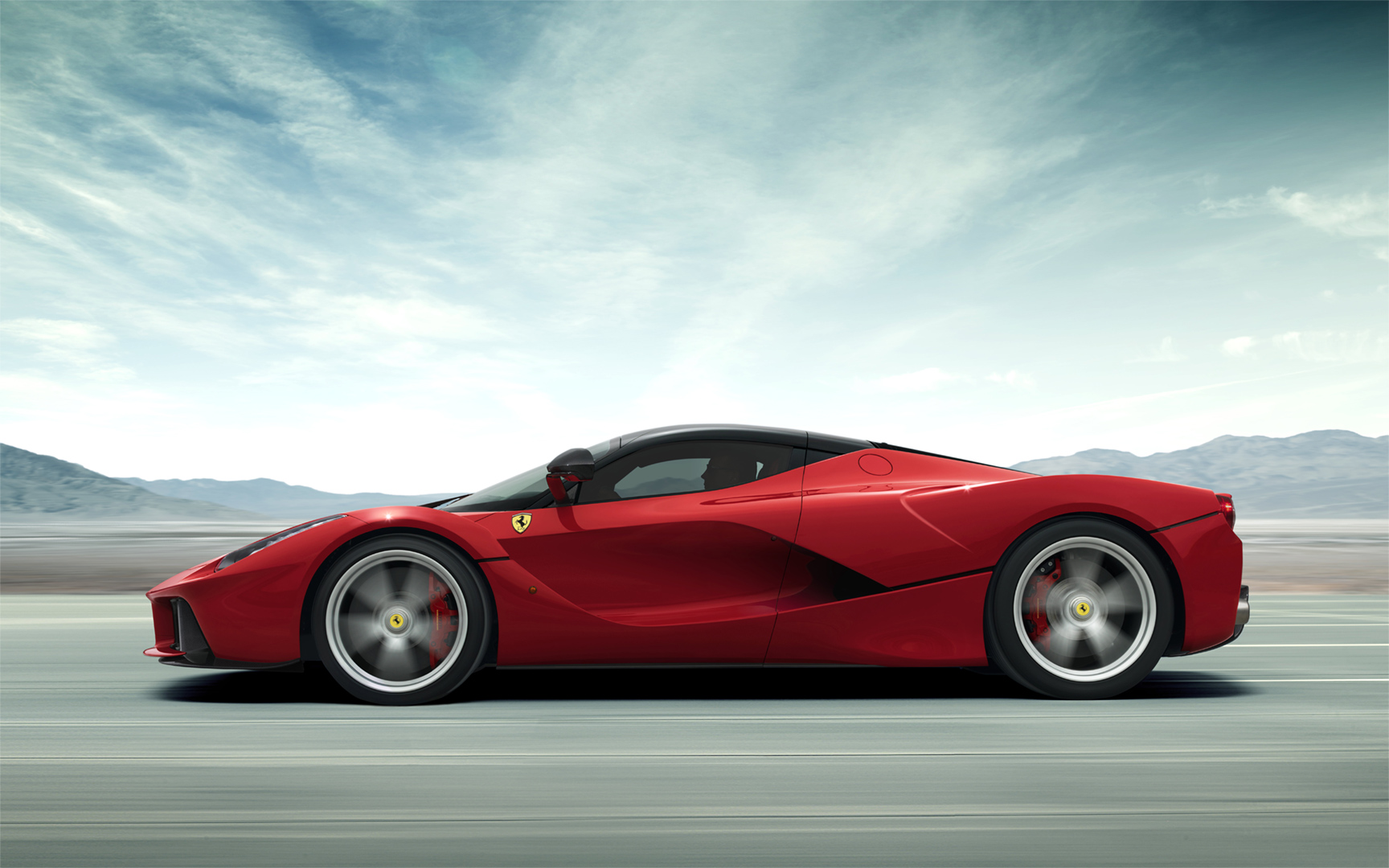
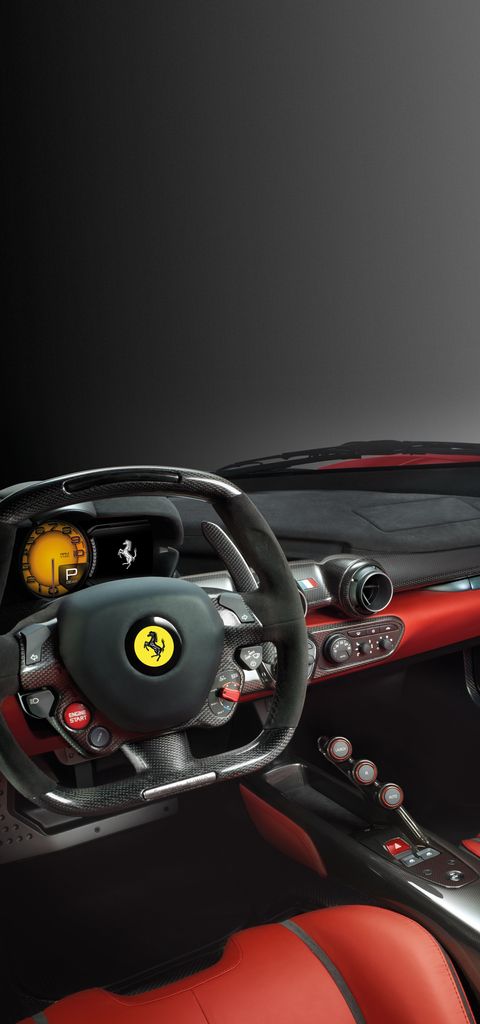
The LaFerrari’s architecture represents the pinnacle of innovation even by Ferrari’s legendary standards. The objective was to increase aerodynamic efficiency, deliver ideal weight distribution, lower the car’s centre of gravity as far as possible, and, most importantly of all, seamlessly integrate the new hybrid system.All of this and more has been achieved without impinging on cabin space, comfort or accessibility.

ABSOLUTELY EXCEPTIONAL PERFORMANCE FROM FERRARI'S FASTEST-EVER ROAD CAR

BUILT USING THE SCUDERIA'S MATERIALS AND PRODUCTION PROCESSES

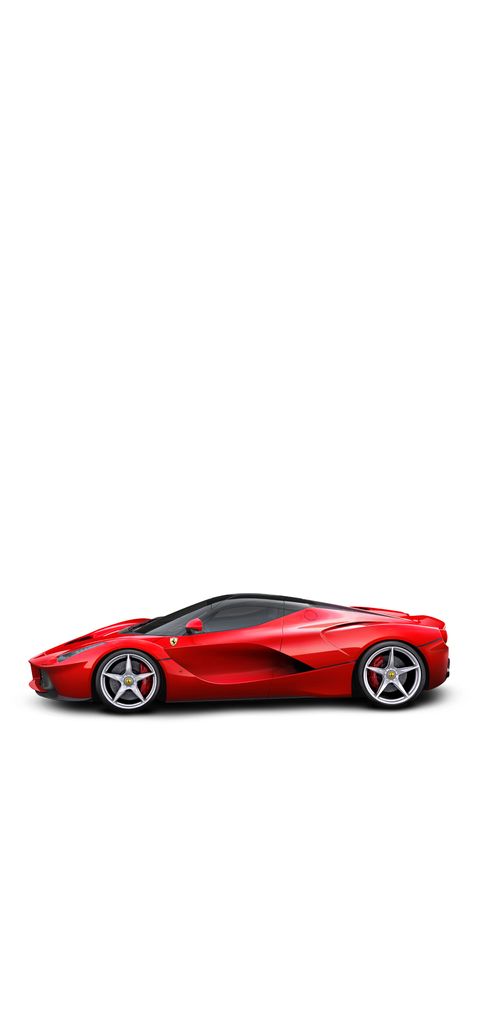
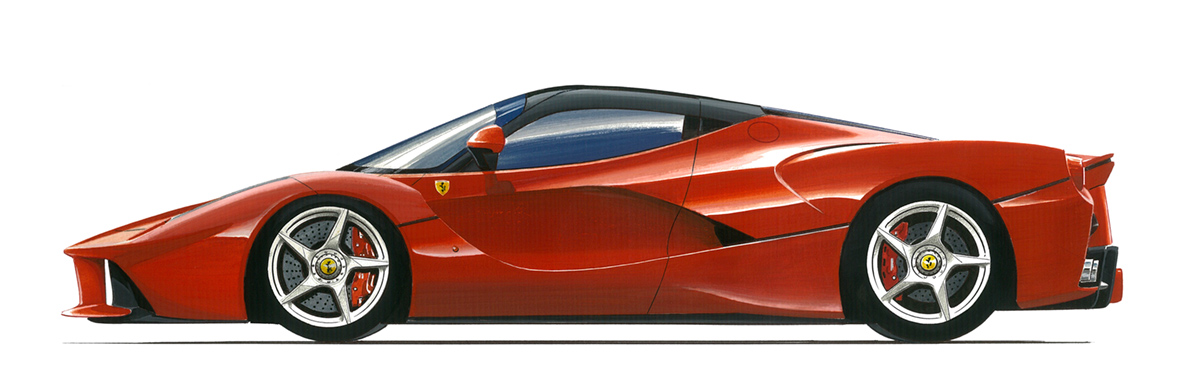
STRIKING AND INNOVATIVE DESIGN
The LaFerrari's overall silhouette and proportions are the very natural product of its architecture and the layout of its hybrid running gear.
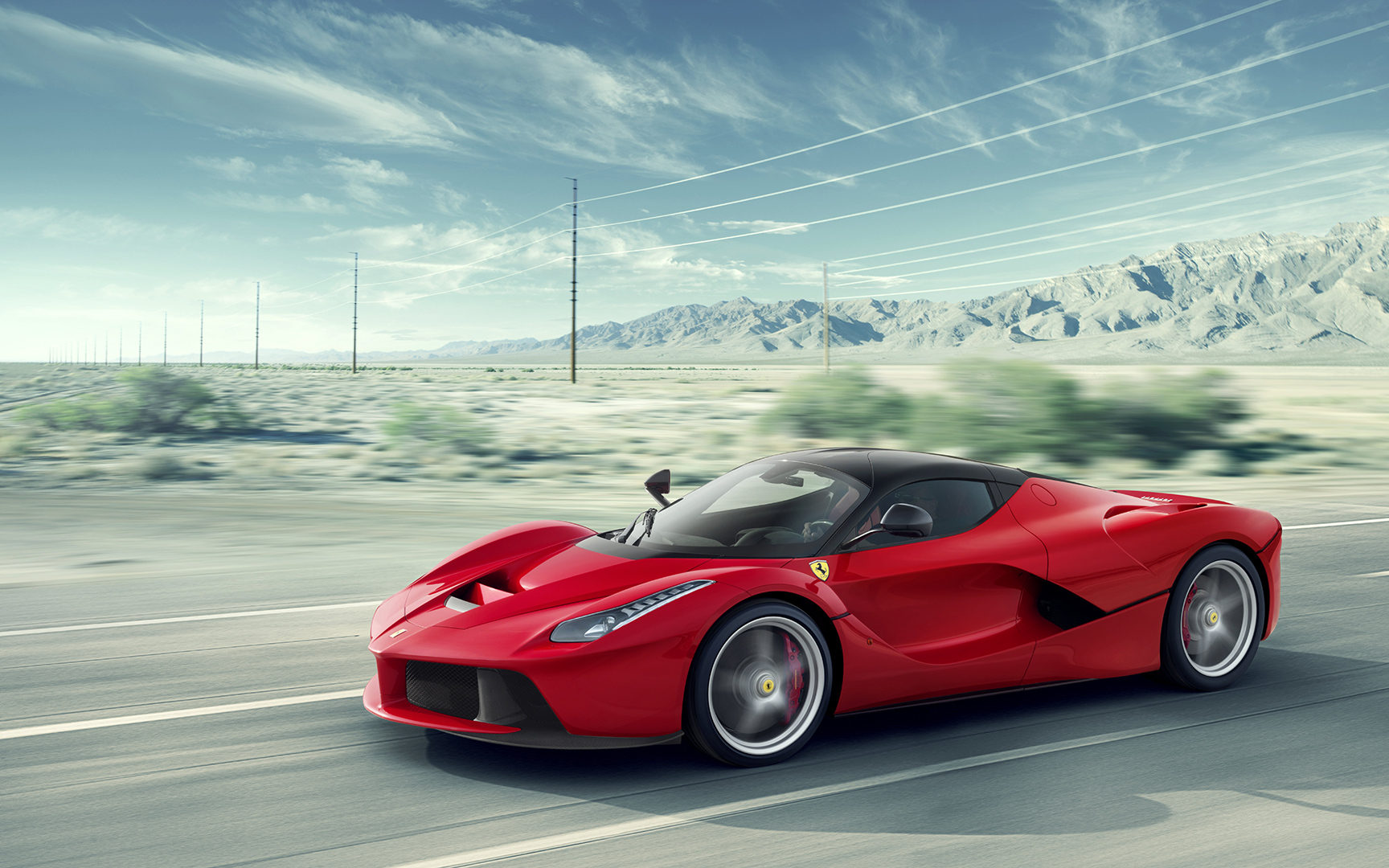
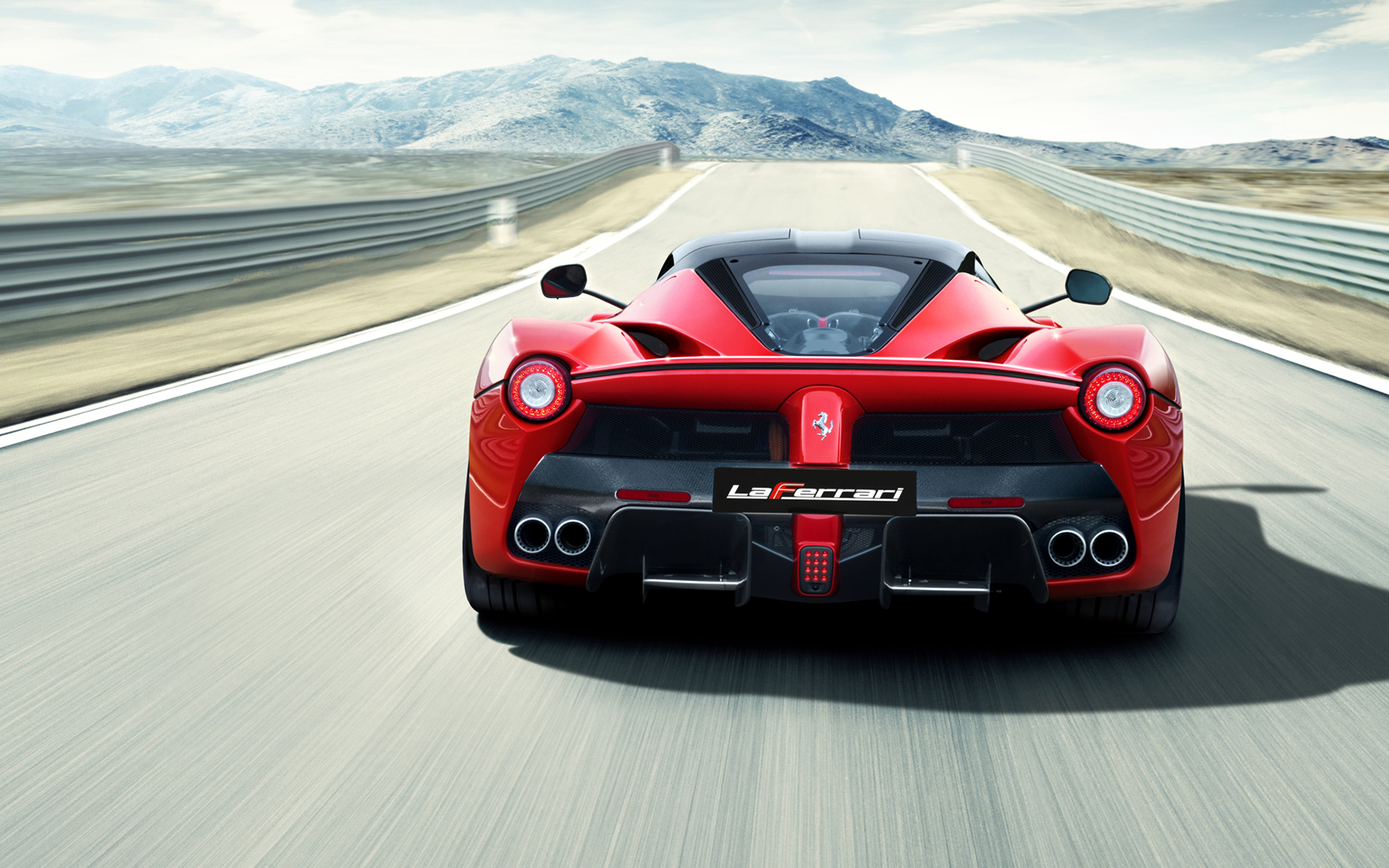
ENTIRELY NEW CONCEPT
- V12ENGINE
- 2,9 sec0-100 KM/H
- 125 cv/lPOWER PER LITER
- 810 cvMAXIMUM POWER
- Total maximum power 963 CV
- Total maximum torque >900 Nm
- V12 maximum power* 800 CV @9000 rpm
- Maximum revs 9250 rpm
- V12 maximum torque 700Nm @6750 rpm
- Electric motor output 120 Kw
- CO2 emissions 330 g/km
- Maximum speed >350 km/h
- 0-100 km/h <3 sec
- 0-200 km/h <7sec
- 0-300 km/h 15sec
- Type 65-deg. V12
- Bore and stroke 94 x 75,2 mm
- Total displacement 6262 cc
- Compression ratio 13.5:1
- Specific power 128 CV/l
- Length 4702 mm
- Width 1992 mm
- Height 1116 mm
- Wheelbase 2650 mm
- Weight distribution 41% fr, 59% r
- 7-speed DCT
- Frontdouble wishbones
- Rearmulti-link
- Front 265/30 - 19
- Rear345/30 - 20
- Rear398 x 223 x 36 mm
- Front380 x 253 x 34 mm
- ESCstability control
- High perf ABS/EBD Performance anti blockage system/electronic brake balance
- EF1-Trac F1 electronic traction control integrated with the hybrid system
- E-Diff 3 third generation electronic differential
- SCM-E Frs magnetorheological damping with twin solenoids (Al-Ni tube)
- Aerodynamics active
- *with dynamic ram effect

FERRARI CERTIFIED PRE-OWNER
